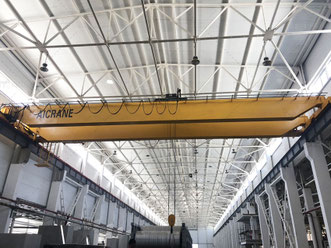
Electric Overhead Traveling (EOT) cranes are essential pieces of equipment used in a wide range of industries to move heavy loads efficiently and safely. One of the most critical aspects of selecting the right EOT crane is determining the appropriate load capacity. Choosing a crane with insufficient capacity can result in safety hazards, operational inefficiencies, and costly downtime, while over-specifying capacity can lead to unnecessary expenses and space constraints. This article explores how to select the right EOT crane capacity based on your specific application needs.
Understanding EOT Cranes
EOT cranes are typically used in manufacturing plants, warehouses, steel mills, power stations, and other industrial environments. These cranes run on rails installed on the building’s runway beams and are designed to lift and transport materials across short or long distances within the facility.
There are two main EOT crane types:
-
Single Girder EOT Cranes – Ideal for light to moderate lifting needs, usually up to 20 tons.
-
Double Girder EOT Cranes – Suited for heavy-duty applications, capable of lifting 20 tons or more.
Regardless of the type, choosing the correct load capacity is crucial to ensure safe and productive crane operation.
Factors to Consider When Selecting Crane Capacity
1. Maximum Load Weight
The first and most important step is to understand the maximum load weight the crane will handle. This includes the weight of the heaviest single item to be lifted, including any lifting attachments or spreader beams used.
It’s essential not to base your decision solely on average load weights. Even if most lifts are under a certain weight, a single heavier lift requires the crane to handle the peak load safely.
Pro Tip: Always consider a safety margin—typically 10–20% above the maximum load weight.
2. Frequency of Use and Work Duty
The crane's duty classification, also known as work duty, determines how often the crane is used and the severity of its usage. This is usually defined by standards such as ISO, CMAA (Crane Manufacturers Association of America), or FEM (Fédération Européenne de la Manutention).
Common work duty classes include:
-
Class A/B (Light/Standard Duty) – Occasional usage; handling lighter loads.
-
Class C (Moderate Duty) – Moderate service; ideal for factories with regular usage.
-
Class D/E (Heavy/Severe Duty) – High-speed operations and frequent usage with heavy loads.
A crane operating in a steel fabrication shop might need a much higher capacity and duty rating compared to one in a warehouse moving boxed goods occasionally.
3. Type of Material and Load Characteristics
Different materials require different handling considerations. For example:
-
Steel coils or machinery might be extremely dense and compact.
-
Long or bulky materials such as beams or pipes might exert unbalanced loads on the hook.
-
Fragile loads require more control and stable handling features.
Understanding the nature of your material helps you define not just capacity but also features like anti-sway systems, variable speed drives, and load stabilizers.
4. Span and Lifting Height Requirements
Though not directly related to lifting capacity, the span (the distance between the rails) and lifting height (how high the crane needs to lift a load) impact crane design and load handling. Longer spans and greater lifting heights may require reinforced structures and more robust hoisting systems, especially when dealing with high capacities.
5. Future Load Increases
When planning for an EOT crane, always consider potential future increases in production or load weight. Upgrading a crane later can be expensive and disruptive. If the likelihood of heavier loads exists, it’s wise to select a crane with slightly higher capacity from the start.
6. Space Constraints and Building Structure
The physical environment of the installation area is a major factor:
-
Can the building support a high-capacity double girder crane?
-
Are there limitations in ceiling height?
-
Will a higher-capacity crane fit within the runway beam limits?
In tight spaces, a low-headroom or compact crane design might be necessary even if the capacity requirement is moderate.
Examples of Capacity Selection by Industry
To illustrate how EOT crane capacity varies by application, here are a few examples:
-
Steel Fabrication Shop: Often requires cranes with capacities ranging from 10 to 50 tons due to heavy machinery and structural components.
-
Warehouse Facility: May only need 5 to 15 ton overhead cranes for palletized goods.
-
Power Plant: Needs high-capacity double girder cranes up to 100 tons or more for handling turbines and other massive equipment.
-
Automobile Assembly Line: Uses low to moderate-capacity cranes (1–10 tons) with high precision for moving parts along the production line.
-
Shipyard or Port Terminal: Heavy-duty cranes up to 200 tons are required for moving large ship components or containers.
The Risks of Over or Underestimating Capacity
Underestimating Capacity
-
Increases risk of crane failure or structural damage
-
Results in safety hazards for personnel
-
Reduces lifespan of crane components due to overload stress
-
May cause project delays due to equipment limitations
Overestimating Capacity
-
Involves higher upfront costs for equipment and structure
-
Wastes energy, increases operational cost
-
May require structural building reinforcements
-
Reduces available headroom and work area due to oversized components
Striking a balance is essential—enough capacity to ensure safety and flexibility without overburdening the budget or space.
Consulting with a Crane Specialist
Working with an experienced crane manufacturer or supplier is highly recommended when determining crane specifications. A professional will evaluate:
-
Your application needs
-
Operational patterns
-
Structural considerations
-
Future scalability
They may also conduct site assessments and propose custom solutions, especially if your lifting needs are unique or complex.
Conclusion
Selecting the right EOT crane capacity is a decision that directly impacts safety, efficiency, and operational success. By carefully evaluating your application needs—considering factors like load weight, work duty, material type, and future demands—you can choose a crane that performs reliably and cost-effectively.
Whether you're lifting 5 tons or 100 tons, a properly selected EOT crane ensures that your facility operates at peak performance. Don’t guess—plan thoroughly, and consult with industry experts to get the most out of your investment.